

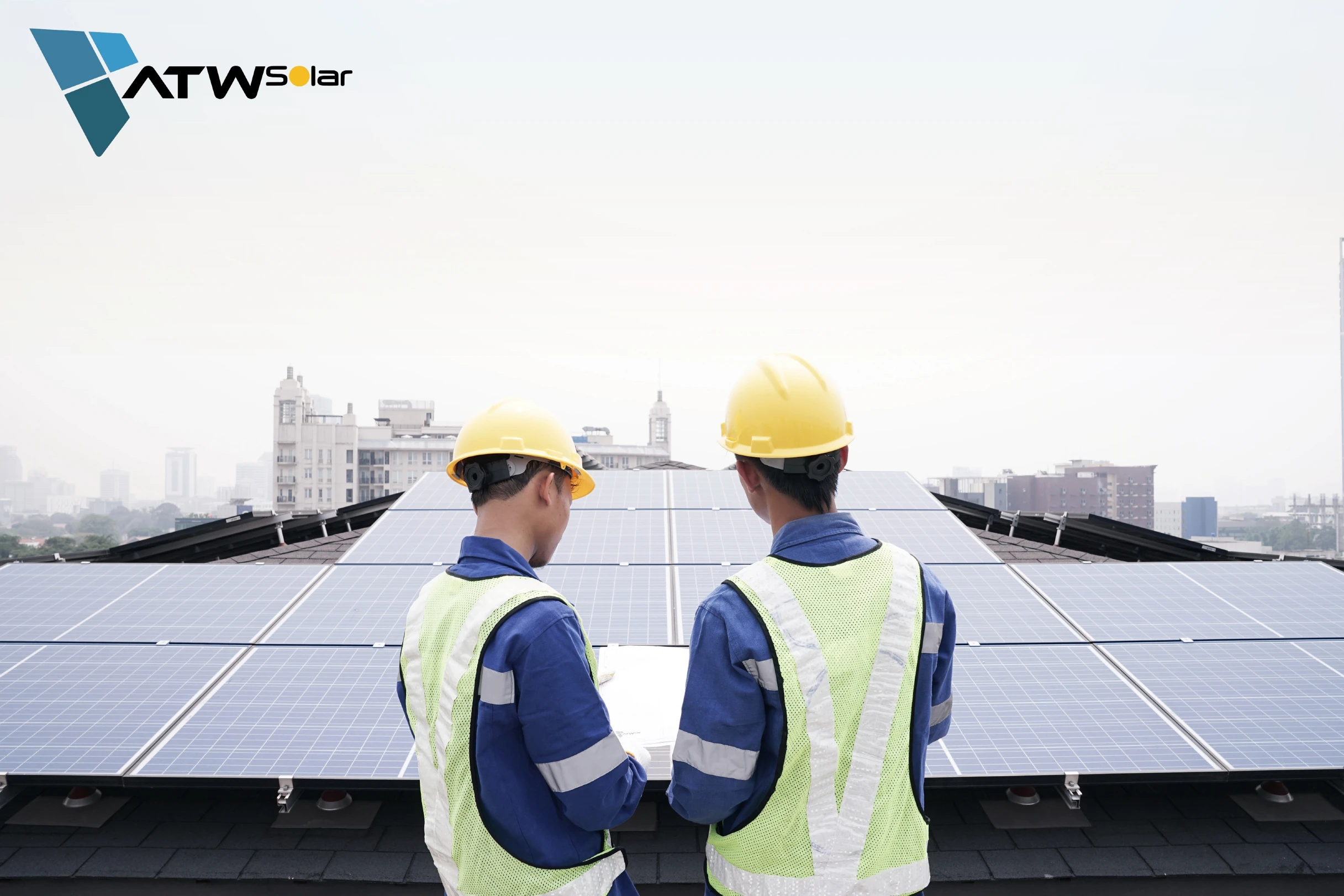
Interest in solar panels continues to grow as companies look for ways to reduce energy costs while adopting more sustainable business practices. As a result, searches for solar panel subsidies, including subsidies for industrial solar panel installation, are becoming increasingly relevant for companies looking to adopt renewable energy. However, before relying on a solar panel subsidy program, companies need to understand the types of government support and alternative financing options available.
What Is a Solar Panel Subsidy?
A solar panel subsidy is government assistance or support intended to reduce the financial burden on households or businesses when adopting solar energy, particularly the upfront investment costs for procuring components and installing a solar power system. In Press Release No. 70.Pers/04/SJI/2022, Indonesia’s Ministry of Energy and Mineral Resources (MEMR) explained that rooftop solar incentives through the Sustainable Energy Fund (SEF) were provided to help reduce rooftop solar investment costs and improve project economic viability. The goal is to accelerate the transition to clean energy, increase the use of renewable energy, and reduce greenhouse gas emissions.
However, solar panel subsidies are different from incentives and financing. Subsidies generally reduce the costs borne by recipients. Incentives may take the form of fiscal facilities or other forms of support, while financing refers to funding facilities that must be repaid, such as loans or installment plans. Therefore, solar panel subsidy programs do not always take the form of a direct discount on installation costs.
Are There Solar Panel Subsidy Programs in Indonesia?
Indonesia has introduced various forms of support to encourage the development and use of solar power systems. One example is the Sustainable Energy Fund (SEF), which previously provided grant support to help improve the economic viability of rooftop solar projects. Programs like this demonstrate that government support can be provided through specific schemes to encourage the adoption of solar energy.
Currently, rooftop solar policies are more focused on regulating development and providing access to solar energy utilization. MEMR Regulation No. 2 of 2024 regulates rooftop solar development quotas and removes provisions on capacity limits, electricity export-import mechanisms, and capacity charges that were included in previous regulations.
This means that companies should not rely solely on waiting for solar panel subsidy programs. The availability of solar panel subsidies may depend on the programs and policies in effect during a particular period.
Subsidies for Industrial Solar Panel Installation
So, are subsidies available for industrial solar panel installation? Not every company or project automatically qualifies for an industrial solar panel installation subsidy. Availability depends on the specific program, implementation period, and eligibility requirements set by the government or relevant institutions.
Nevertheless, the industrial sector still has significant opportunities to benefit from rooftop solar systems. Indonesia’s Ministry of Energy and Mineral Resources has stated that the development of rooftop solar is expected to further encourage the use of solar energy in the commercial and industrial sectors.
In addition to looking for subsidies for industrial solar panel installation, companies can consider alternative financing options or investment schemes that may help reduce the upfront capital burden. This allows solar projects to be evaluated based on their potential savings and overall investment feasibility.
Benefits of Solar Power for Companies, Even Without Subsidies
- Reducing Electricity Costs
Solar power systems allow companies to generate part of their electricity needs independently using solar energy. By reducing dependence on electricity supplied through the grid, companies may achieve long-term savings on electricity operating costs. The amount of savings will depend on the system capacity, electricity consumption patterns, and energy requirements of each facility. - Supporting ESG Goals
The use of renewable energy can be part of a company’s strategy to achieve its Environmental, Social, and Governance (ESG) goals. Adopting solar power demonstrates a company’s efforts to integrate sustainability into its operations. It can also support commitments to cleaner and more responsible energy use. - Reducing Carbon Emissions
Solar power uses sunlight as a renewable energy source and can help reduce the use of electricity generated from fossil fuels. By increasing the use of solar energy, companies can reduce the carbon footprint of their operations. Lower emissions can also be part of a company’s efforts to support its long-term sustainability targets. - Improving Business Competitiveness
Today, sustainability is becoming an increasingly important consideration in the business world. The use of renewable energy can help companies build a reputation as more environmentally responsible businesses. In addition, efforts to improve energy efficiency and reduce emissions can create added value as consumers, investors, and business partners place greater emphasis on sustainable business practices.
What Companies Need to Prepare Before Installing a Solar Power System
Before looking for subsidies for industrial solar panel installation, companies should conduct an assessment of their energy needs. Electricity consumption data, operational patterns, available roof area, building structure conditions, and load profiles can help determine the appropriate solar system capacity.
Companies should then calculate estimated energy production, electricity savings, investment costs, and the payback period. These calculations are important for assessing project feasibility, even without a solar panel subsidy.
Choosing the right EPC provider is also important. An experienced provider such as ATW Solar can assist companies throughout the process, from needs assessment and system design to installation and other project-related requirements. With proper planning, companies can maximize the value of their investment without relying entirely on solar panel subsidies or industrial solar panel installation subsidies.
Solar panel subsidies can help reduce upfront cost barriers, but they should not be the only reason companies invest in solar power systems. The availability of subsidy programs may also change in line with government policies.
Therefore, companies should view subsidies for industrial solar panel installation as a supporting opportunity rather than the primary factor in their investment decision. With proper system capacity planning, companies can still gain economic, environmental, and ESG benefits from adopting solar energy.
FAQ
How can a company find out whether it is eligible for a solar power assistance program?
Companies should review currently available government programs and their eligibility requirements. Not every project automatically qualifies for a solar panel subsidy.
Are financing or installment options available for industrial solar panel installation?
In addition to subsidies for industrial solar panel installation, companies can explore financing facilities from financial institutions or available energy investment schemes.
How long is the estimated payback period for a solar power system without subsidies?
The payback period varies for each project. Key factors include solar system capacity, investment costs, electricity consumption, load profile, and electricity tariffs.
What documents need to be prepared before installing a solar power system at an industrial facility?
The required documents may include electricity consumption data, information on installed electrical capacity, building data, as well as the necessary technical and permitting documents.
How can a company choose the right solar system capacity for its needs?
The appropriate capacity should be determined based on electricity consumption patterns and energy assessment results, rather than roof area alone. A technical analysis from an EPC provider can help ensure that the system meets the company’s operational requirements.