

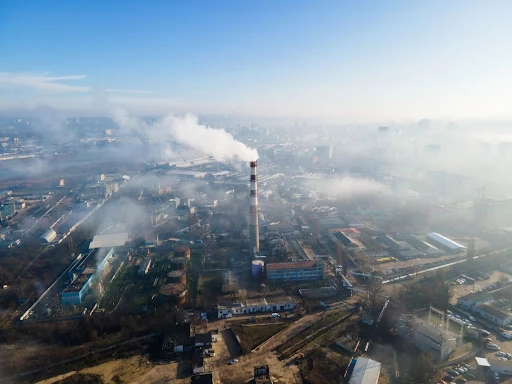
Have you noticed how the weather has become more unpredictable, or how the air no longer feels as clean as it used to? These changes may seem small, but they are often early signs of a larger issue, one of them being the rise of CO2 emissions in the atmosphere.
In recent years, CO2 emissions have become an increasingly important environmental concern. Their growth not only contributes to rising global temperatures but also affects daily life, from shifting weather patterns to declining air quality.
This makes reducing CO2 emissions an increasingly urgent priority, both globally and in everyday activities.
What Are CO2 Emissions?
In general, CO2 emissions refer to the release of carbon dioxide gas into the atmosphere. While this gas exists naturally, the current increase in CO2 emissions is largely driven by human activities, particularly the use of fossil fuels such as coal, gasoline, and diesel.
As CO2 emissions continue to rise, the gas accumulates in the atmosphere and traps heat from the sun, preventing it from escaping the Earth. Over time, this leads to a gradual increase in global temperatures and contributes to global warming.
According to the Intergovernmental Panel on Climate Change, rising CO2 emissions are one of the main drivers behind the climate changes we are experiencing today.
Main Sources of CO2 Emissions
Most CO2 emissions come from the energy sector, making it a major contributor to global carbon emissions. Power plants fueled by coal and diesel are among the largest sources, followed by the transportation sector, which is still dominated by gasoline and diesel-powered vehicles.
Industrial activities, such as cement and steel production, also contribute significantly to CO2 emissions. In addition, biomass burning, including forest fires and agricultural waste, further increases the level of CO2 emissions in the atmosphere.
According to the International Energy Agency, the energy sector accounts for the largest share of global CO2 emissions, making it a key focus in reduction efforts.
The Impact of CO2 Emissions on the Environment
The increase in CO2 emissions has wide-ranging effects that cannot be ignored. The higher the concentration in the atmosphere, the greater the risks to both the environment and daily life. Some of the main impacts include:
- Rising global temperatures
CO2 emissions trap heat in the atmosphere, causing the Earth’s average temperature to increase and driving global warming.
- More unpredictable weather patterns
Changes in temperature affect climate systems, making weather harder to predict and increasing the risk of floods, droughts, and extreme conditions.
- Declining air quality
Activities that produce CO2 emissions, especially fossil fuel combustion, also contribute to air pollution that affects human health, particularly the respiratory system.
- Disruption of ecosystems
Rapid environmental changes make it difficult for ecosystems to adapt, leading to imbalances and a gradual loss of biodiversity.
According to the Intergovernmental Panel on Climate Change, without controlling CO2 emissions, environmental damage will continue to increase and may become difficult to reverse.
Why Reducing CO2 Emissions Matters
Reducing CO2 emissions is essential to maintaining environmental balance and ensuring long-term sustainability. If left uncontrolled, rising CO2 emissions can accelerate the climate crisis and increase the risk of environmental damage.
Some key reasons why reducing CO2 emissions is important include:
- Maintaining global climate stability
- Limiting the rise in global temperatures
- Reducing the risk of environmental disasters such as floods and droughts
- Protecting air quality and human health
- Supporting Indonesia’s Net Zero Emission targets
By reducing CO2 emissions, we are not only protecting the environment today but also helping build a safer and more sustainable future.
Solar Energy as a Solution to Reduce CO2 Emissions
To effectively reduce CO2 emissions, one of the most relevant solutions is the use of solar energy. Unlike fossil-based energy, solar panels generate electricity without combustion, meaning they do not produce CO2 emissions during operation.
Through the use of solar power systems, dependence on fossil energy sources can be reduced. This directly helps lower CO2 emissions generated from daily electricity consumption.
In addition, solar energy systems are flexible and can be applied across various needs, from residential homes to commercial and industrial sectors, making them a practical solution for supporting cleaner energy use.
The Benefits of Using Solar Systems from ATW Solar
Using solar systems from ATW Solar not only improves energy efficiency but also helps reduce reliance on fossil energy, which is a major source of CO2 emissions.
ATW Solar provides end-to-end solar solutions, from consultation and planning to customized system design, high-quality component selection, and professional, certified installation. These services are also supported by after-sales service and operation and maintenance to ensure optimal system performance.
With this approach, adopting solar energy is not only beneficial in terms of electricity efficiency but also contributes directly to reducing CO2 emissions and supporting Indonesia’s energy transition.
Conclusion
Ultimately, CO2 emissions are not just a global issue. They are closely linked to the energy choices we make every day. Reducing CO2 emissions can start from simple and practical steps that are relevant to our daily needs.
One of those steps is switching to solar energy as a cleaner and more sustainable solution. In addition to helping reduce CO2 emissions, solar power systems can also improve long-term energy efficiency.
Consult your energy needs with ATW Solar to find the right solar solution and start contributing to a greener future!