

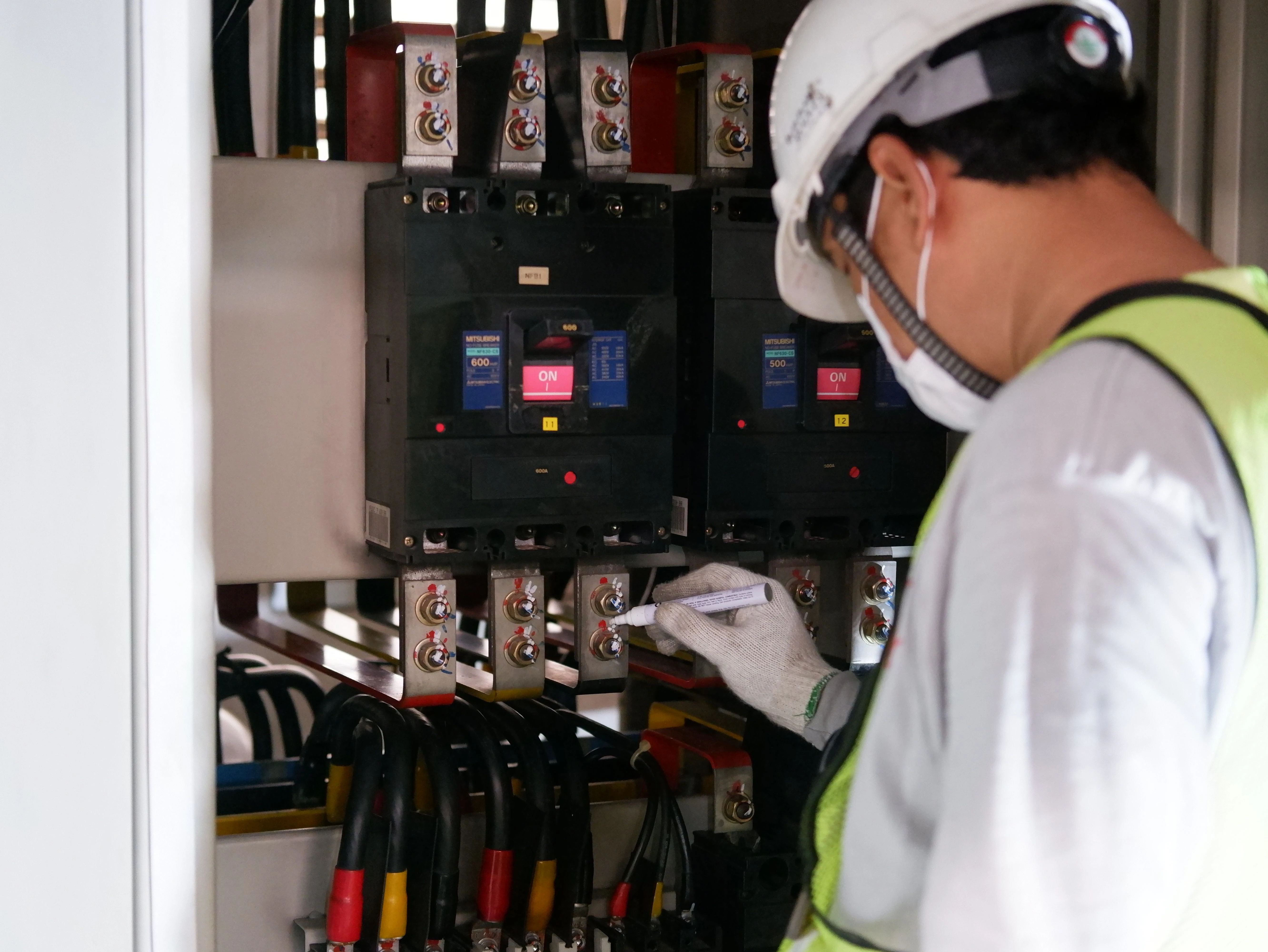
Have you ever noticed your lights dimming for a few seconds when the air conditioner, water pump, or another high-powered appliance starts running? While it may seem like a minor inconvenience, this is often a sign of an inrush current, where a sudden surge in electrical demand causes a temporary voltage fluctuation within your electrical system.
Although these fluctuations are usually brief, unstable voltage can affect the performance of electrical and electronic equipment over time. Repeated voltage variations may lead to operational disruptions, reduced equipment efficiency, and, in some cases, damage to sensitive electronic components.
According to the Institute of Electrical and Electronics Engineers (IEEE), power quality is a key factor in ensuring the reliability of electrical systems and the performance of connected equipment. Maintaining voltage within an acceptable operating range is therefore essential for both residential and commercial applications.
One of the most effective ways to address this issue is by installing an electrical voltage stabilizer. By automatically regulating voltage fluctuations, the device delivers a more consistent power supply, helping connected equipment operate reliably while minimizing the risks associated with unstable voltage.
What Is an Electrical Voltage Stabilizer?
An electrical voltage stabilizer is designed to maintain a consistent output voltage even when the incoming power supply fluctuates. Instead of allowing overvoltage or undervoltage to reach connected equipment, the stabilizer automatically adjusts the voltage to keep it within a safe operating range.
By delivering a more stable power supply, an electrical voltage stabilizer helps electrical and electronic equipment operate according to their intended specifications, improving both performance and reliability.
These devices are widely used across a variety of applications, from residential properties and office buildings to hospitals, data centers, and industrial facilities where stable power quality is essential for daily operations.
Electrical Voltage Stabilizer vs. MCB vs. UPS
Within an electrical system, an electrical voltage stabilizer is often confused with an MCB or a UPS. While all three devices contribute to electrical system reliability, each serves a different purpose.
Understanding these differences helps ensure the right protection is applied where it is needed.
- Electrical Voltage Stabilizer
An electrical voltage stabilizer regulates incoming voltage whenever fluctuations occur on the power supply. By maintaining voltage within an acceptable range, it helps provide connected equipment with a steady and reliable source of electricity.
- Miniature Circuit Breaker (MCB)
Unlike a voltage stabilizer, an MCB is a protective device designed to disconnect the electrical supply automatically when an overload or short circuit occurs. Its primary role is to protect electrical wiring and connected equipment while reducing the risk of electrical damage or fire.
- Uninterruptible Power Supply (UPS)
A UPS serves a different purpose by providing temporary backup power during a power outage. This allows critical equipment to continue operating long enough for users to save important data or safely shut down their systems.
Although their functions differ, these three devices complement one another. An electrical voltage stabilizer maintains voltage stability, an MCB protects against electrical faults, and a UPS provides backup power during outages. When integrated into the same electrical system, they deliver more comprehensive protection and improve overall system reliability.
Why Use an Electrical Voltage Stabilizer?
As electrical systems become increasingly dependent on sensitive electronic equipment, maintaining stable voltage has become more important than ever. An electrical voltage stabilizer offers several advantages that help improve both equipment performance and overall power quality.
- Maintains Stable Voltage
Voltage fluctuations can occur for various reasons, including changing electrical loads and variations in the utility supply. An electrical voltage stabilizer continuously monitors these changes and automatically adjusts the voltage to keep it within a safe operating range.
By delivering a more consistent power supply, it helps connected equipment operate smoothly and according to their intended performance specifications.
- Supports the Performance of Electrical Equipment
Many electronic devices, including computers, servers, networking equipment, and manufacturing machinery, require a stable voltage supply for reliable operation. Even relatively small voltage variations can affect their performance over time.
An electrical voltage stabilizer helps reduce the impact of these fluctuations, allowing equipment to perform more consistently while supporting overall power quality.
- Reduces the Risk of Operational Disruptions
Power quality issues can interrupt daily operations, particularly in commercial and industrial environments where equipment reliability is essential.
By maintaining a more stable voltage supply, an electrical voltage stabilizer helps reduce the likelihood of unexpected interruptions, contributing to smoother operations and improved productivity.
- Improves Electrical System Reliability
According to Schneider Electric’s Power Quality Solutions Guide, maintaining good power quality plays an important role in improving the reliability and performance of electrical systems.
In applications where voltage fluctuations occur frequently, an electrical voltage stabilizer can be an effective solution for maintaining voltage regulation and supporting the long-term reliability of the electrical installation.
How Does an Electrical Voltage Stabilizer Work?
Understanding how an electrical voltage stabilizer works makes it easier to appreciate its role in protecting electrical equipment and maintaining power quality.
The device continuously monitors the incoming voltage from the electrical supply. Whenever it detects voltage levels outside the predefined operating range, its internal control system immediately initiates a correction process.
Depending on the situation, the electrical voltage stabilizer either increases or decreases the incoming voltage before delivering electricity to connected equipment. This automatic adjustment takes place within fractions of a second, allowing electrical devices to continue operating without noticeable interruptions.
Because of its fast response and automatic voltage regulation, an electrical voltage stabilizer is widely used in locations where voltage fluctuations are common or where sensitive electrical equipment requires a stable power supply.
Signs Your Home or Business May Need an Electrical Voltage Stabilizer
Not every property requires an electrical voltage stabilizer. However, certain signs may indicate that your electrical system is experiencing voltage fluctuations that could affect equipment performance and long-term reliability.
- Lights Frequently Flicker or Dim
If your lights regularly flicker or change brightness, especially when high-powered appliances are switched on, it may indicate fluctuations in the incoming voltage. While occasional changes are not always a cause for concern, frequent occurrences could suggest inconsistent power quality.
- Electronic Equipment Frequently Experiences Interruptions
Unexpected computer restarts, unstable network connections, or machinery that shuts down without warning are all potential signs of voltage instability. These interruptions can affect productivity and may increase the risk of equipment damage over time.
- You Use Voltage-Sensitive Equipment
Some electrical and electronic devices require a stable power supply to operate reliably. Equipment such as servers, medical devices, laboratory instruments, and industrial control systems are particularly sensitive to voltage variations. In these situations, an electrical voltage stabilizer can help maintain consistent voltage and improve operational reliability.
- Your Area Frequently Experiences Voltage Fluctuations
In some locations, voltage variations occur more often due to local grid conditions, changing electrical loads, or limitations within the distribution network. Installing an electrical voltage stabilizer can help minimize the impact of these fluctuations and provide a more stable power supply.
Common Types of Electrical Voltage Stabilizers
Not all electrical voltage stabilizers are designed for the same purpose. Choosing the right model depends on the electrical load, the type of equipment being protected, and the operating conditions of the installation.
- Residential Voltage Stabilizers
Residential stabilizers are designed to maintain stable voltage for everyday household appliances, including televisions, refrigerators, air conditioners, and home entertainment systems. By reducing voltage fluctuations, they help improve appliance performance and support longer equipment lifespan.
- Voltage Stabilizers for Sensitive Electronic Equipment
Some environments require exceptionally stable power to ensure continuous operation. Data centers, laboratories, medical facilities, and telecommunications systems often depend on an electrical voltage stabilizer to maintain consistent voltage, helping reduce the risk of equipment failure, system interruptions, and costly downtime.
- Commercial and Industrial Voltage Stabilizers
Commercial and industrial stabilizers are built to handle significantly higher electrical loads than residential models. They are commonly installed in office buildings, manufacturing facilities, warehouses, and other industrial environments where stable power quality is essential for maintaining productivity and protecting critical equipment.
Do Solar Power Systems Need an Electrical Voltage Stabilizer?
As solar photovoltaic (PV) systems become more widely adopted, many people wonder whether an electrical voltage stabilizer is necessary as part of the installation.
In modern solar PV systems, the inverter performs more than just DC-to-AC power conversion. It also regulates output voltage and power quality to ensure the electricity delivered meets the requirements of the electrical system.
Because of these built-in capabilities, many of the functions traditionally associated with an electrical voltage stabilizer are already integrated into modern solar inverters. As a result, installing an additional stabilizer is not always required.
That said, every installation operates under different conditions. Facilities with unstable utility power, sensitive electrical equipment, or unique operational requirements may still benefit from additional voltage protection. A technical assessment is therefore recommended to determine whether extra protection beyond the standard components of the solar PV system is necessary.
Ultimately, the most effective solution is not determined by the number of devices installed, but by how well the electrical system is designed to meet the specific needs of the application.
Maintaining Power Quality Requires the Right Approach
Maintaining good power quality involves more than installing a single device. The overall performance of an electrical system is influenced by several factors, including utility grid conditions, installation capacity, energy consumption patterns, equipment quality, and the protection systems used throughout the installation.
Before deciding to install an electrical voltage stabilizer, it is important to identify the underlying cause of the issue. Voltage fluctuations may stem from inconsistent utility power, an undersized electrical installation, poor equipment quality, or other system-related factors.
Taking the time to evaluate these conditions helps ensure that the selected solution addresses the actual problem rather than simply treating its symptoms. A well-planned approach ultimately leads to better system reliability, improved power quality, and greater long-term efficiency.
Smarter Energy Solutions with ATW Solar
Reliable electrical performance depends on more than just installing an electrical voltage stabilizer. It requires a well-designed energy system where every component works together to deliver safe, efficient, and dependable operation.
ATW Solar provides integrated solar energy solutions for residential, commercial, and industrial applications. From energy consumption analysis and system design to component selection, installation, and performance monitoring, every stage is carefully planned to ensure the system operates at its best.
Rather than recommending unnecessary equipment, ATW Solar focuses on designing solutions that match each customer’s operational requirements and long-term energy goals. This approach helps maximize system efficiency while ensuring reliable performance throughout the system’s lifecycle.
Whether you are considering an electrical voltage stabilizer, planning to improve your electrical infrastructure, or exploring solar energy solutions, our team is ready to help you identify the most suitable solution for your specific needs.
An electrical voltage stabilizer can be an effective solution for maintaining stable voltage in electrical systems that frequently experience power fluctuations. By delivering a more consistent power supply, it helps electrical and electronic equipment operate more reliably while reducing the risk of performance issues and operational disruptions.
However, choosing the right solution requires more than simply selecting a stabilizer. Every electrical installation has unique characteristics, making it important to evaluate the existing system, understand energy consumption patterns, and identify the root cause of any power quality issues before making a decision.
With the right assessment and system design, an electrical voltage stabilizer can contribute to improved electrical reliability, better equipment performance, and greater long-term energy efficiency.