

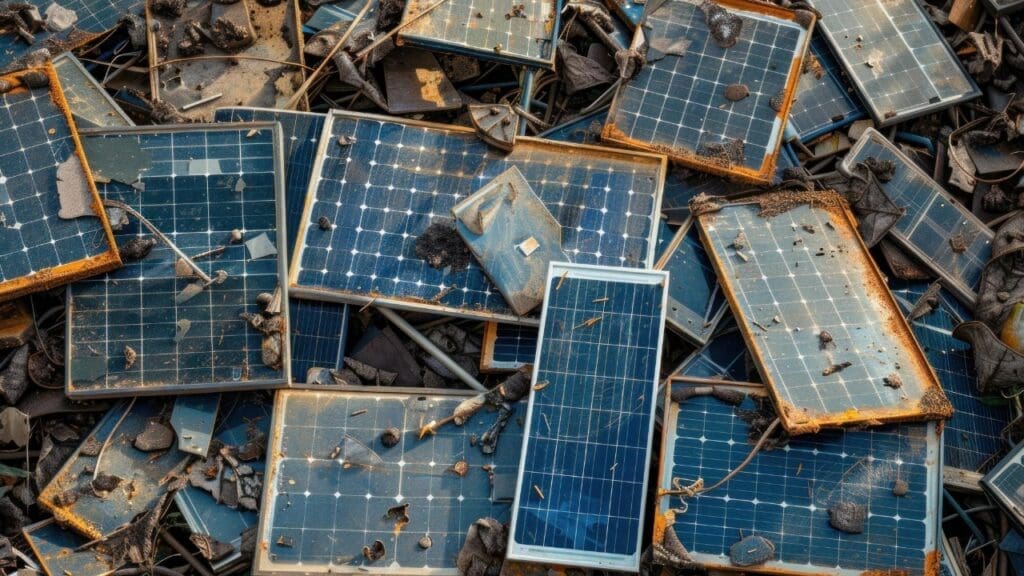
The use of solar energy through Solar Power Plants (PLTS) is continuing to grow as part of the transition toward cleaner energy. However, the sustainability of solar energy is not only about how electricity is generated, but also about how system components are managed once they are no longer in use. Therefore, solar panel waste is an important aspect that needs to be considered in the long-term development of solar PV systems.
Proper management of solar panel waste helps minimize potential environmental impacts while supporting the recovery and reuse of materials that still have value. With proper planning from the beginning, solar PV systems can become part of a more sustainable energy system while supporting circular economy principles. The Indonesian government has also emphasized the importance of environmental management throughout the development of solar PV systems, including during the post-operation stage.
What Is Solar Panel Waste?
Solar panel waste refers to solar panels or solar power system components that can no longer be used optimally, have been damaged, or have reached the end of their useful life. Solar panels do not necessarily become waste immediately when their warranty period ends. As long as they continue to function properly and safely, they can still be used. In general, high-quality solar panels can operate for approximately 25–30 years, although their performance may gradually decline over time.
Unlike ordinary electronic waste, solar panel waste has a relatively complex material structure. Solar panels consist of glass, aluminum, silicon, polymers, cables, and other components. Some of these materials have the potential to be recovered and reused through appropriate processing methods.
Types of Solar Panel Waste
Solar panel waste does not only come from modules that have reached the end of their useful life. Several types of solar PV waste that need to be considered include:
- Solar panels damaged by impact, extreme weather, or physical damage.
- Panels that have experienced performance degradation and are no longer suitable for the system’s requirements.
- Panels removed because the solar PV system is dismantled, relocated, or upgraded.
- Supporting components such as inverters, cables, connectors, mounting systems, and batteries that have reached the end of their useful life.
Some solar panel waste still contains valuable materials, such as glass and aluminum. Therefore, solar panel waste does not always have to be immediately discarded. Reuse or recycling can be considered when the condition of the components and available processing technologies make it feasible.
What Causes Solar Panel Waste to Increase?
The amount of solar panel waste can increase due to various factors. Damage during operation is one of the causes, such as cracks, improper installation, or failures in system components.
In addition, natural degradation can cause panel performance to decline over time. Performance degradation is a normal part of the solar panel lifecycle.
Component replacement, system dismantling, and capacity upgrades can also generate solar PV waste. In hybrid systems, for example, components such as batteries have a different usage cycle from solar panels and therefore need to be managed separately.
How Should Solar Panel Waste Be Managed?
Solar panel waste should be managed responsibly from the moment components are removed from the system. The first step is to sort the components based on their material type and condition.
Panels that are still functional can be considered for reuse in suitable applications. Meanwhile, solar panel waste that can no longer be used can be directed toward material recovery or recycling through qualified parties with the necessary licenses and permits in accordance with applicable regulations.
Several materials in solar panels have the potential to be recovered and reused. This approach is in line with circular economy principles, which promote extending product lifecycles, reuse, recycling, and material recovery.
It is important not to mix all solar PV waste together without proper identification. Certain components may require specialized handling methods. Therefore, working with appropriate and qualified waste management providers is an important part of minimizing environmental risks.
The Role of Waste Management in Solar PV Sustainability
The management of solar panel waste is an integral part of overall solar PV sustainability. Proper waste management can help reduce potential pollution while enabling valuable materials to be recovered and reused.
In the long term, solar panel waste management also supports the development of a circular economy within the renewable energy industry. This means that solar PV systems should be planned not only around installation and operation, but also around the end-of-life stage.
With proper solar PV planning from the beginning, including component selection and consideration of the system’s lifecycle, ATW Solar helps provide more optimal and sustainable solar energy solutions tailored to your needs, whether for residential or commercial and industrial applications.
Conclusion
Solar panel waste is part of the lifecycle of a solar PV system and needs to be planned for responsibly. Damaged panels, panels with declining performance, or panels that are no longer in use can become solar PV waste that requires sorting and management according to the characteristics of each component.
Through material reuse and recycling processes carried out by appropriate parties, solar panel waste can be managed more responsibly. Planning for waste management from the beginning is an important step in ensuring that the growth of solar energy continues to align with sustainability goals.
FAQ
Is solar panel waste classified as hazardous and toxic waste (B3)?
Not all solar panel waste can be classified in the same way. Its status and management methods need to take into account the type of technology, constituent materials, and characteristics of each component. Certain components of solar PV systems, such as batteries, may require specialized management in accordance with applicable environmental regulations.
How long can solar panels be used before they become waste?
Solar panels generally have a useful life of around 25–30 years. However, they do not automatically become solar panel waste after this period, as they can continue to be used as long as they remain safe and their performance still meets the required standards.
Can used solar panels still be sold?
Used solar panels that are still functional and meet safety requirements may potentially be reused or resold. Their technical condition and performance should be inspected first.
Can solar panels be recycled?
Yes. Solar panel waste contains materials such as glass, aluminum, and other materials that have the potential to be recovered through appropriate recycling processes.
Who is responsible for managing solar PV waste?
Owners and parties involved in operating solar PV systems need to ensure that solar PV waste is managed responsibly. For components that require specialized handling, waste management should be carried out by qualified parties with the necessary licenses and permits in accordance with applicable regulations.