

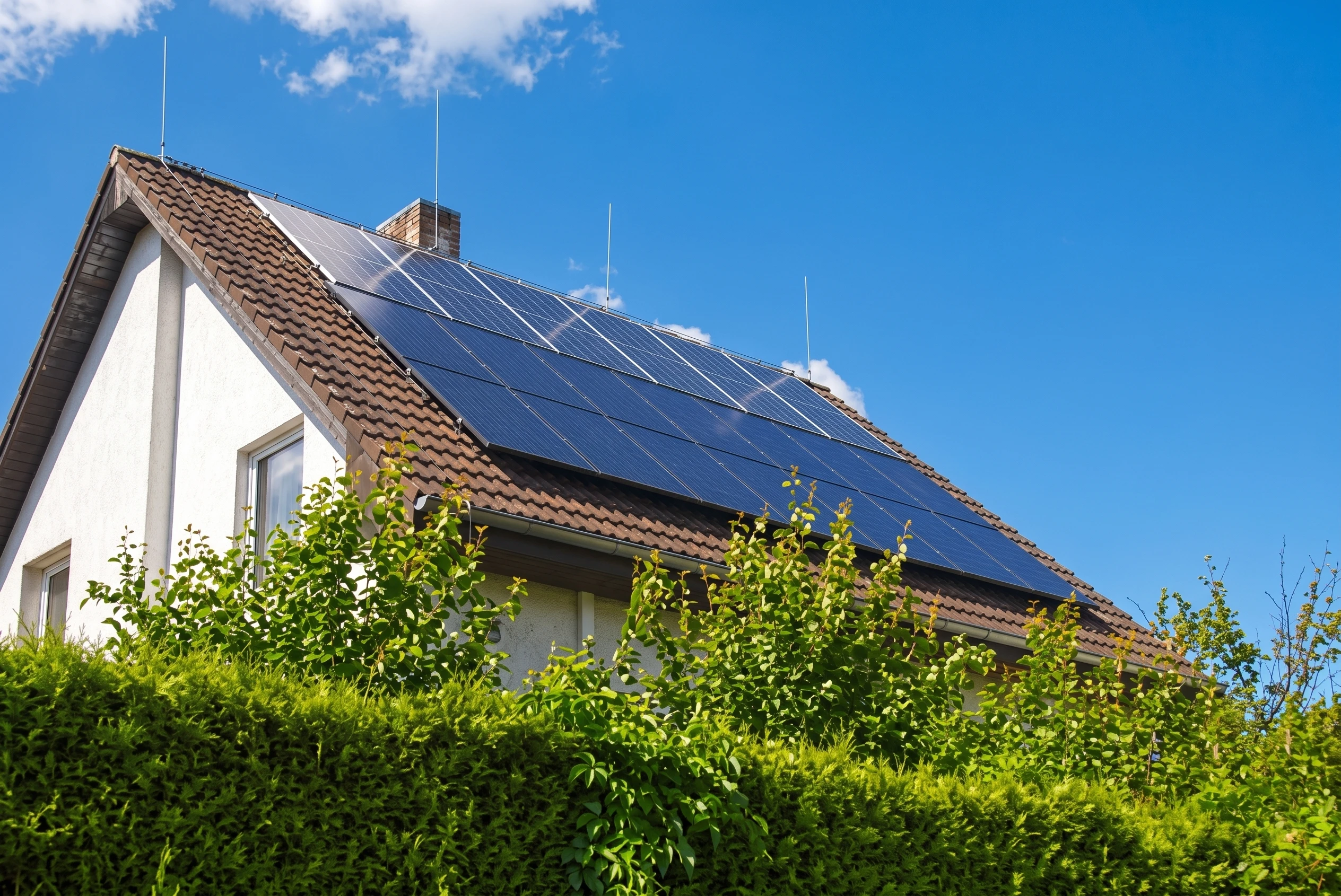
Many homeowners are still hesitant about installing solar panels at home because they are concerned that the roof may leak. This concern is understandable, especially because some installation methods involve installing mounting structures and fastening points on the roof. However, leaks are not an automatic consequence of solar panel installation. The risk is more influenced by the condition of the roof, installation method, component quality, and workmanship.
In practice, rooftop solar panel installation needs to take into account the roof’s function as a protective structure while ensuring that the solar PV system can be installed safely. The Ministry of Energy and Mineral Resources (ESDM) also emphasizes the importance of installing rooftop solar PV systems in accordance with safety principles so that the system can operate safely and reliably.
Myth vs. Fact About Rooftop Solar PV
| Myth: Installing Solar Panels Will Definitely Cause Roof Leaks This is not necessarily true. Leaks are usually related to improper installation methods, the use of unsuitable components, or work carried out on roof sections that already have problems. When installing solar panels at home, the installation design should be adapted to the characteristics of the building to ensure that the roof continues to function properly. If there are penetration points on the roof, these areas need to be properly protected and sealed. PV installation guidelines also emphasize that roof penetrations must be watertight and should not interfere with the drainage system. | Fact: The Installation Method Determines the Risk of Leaks Not all types of roofs can use the same solar panel installation method. Tile, metal, concrete, and other types of roofs have different characteristics and installation requirements. Mounting structures, brackets, and fasteners must be adapted to the type of roofing material and roof structure. For certain systems, installation methods that minimize roof penetrations can be used when appropriate for the building conditions. PV rooftop procurement specifications also recommend minimizing the number of penetrations and ensuring that the weatherproofing is compatible with the roofing system. |
| Myth: Every Roof Must Be Drilled This is not true. The solar panel installation method depends on the system design, building structure, roof type, and site conditions. Therefore, it is inaccurate to assume that every residential solar panel installation requires drilling into the roof surface. Before determining the installation method, the service provider should conduct a survey and technical consultation to determine the appropriate mounting system. | Fact: The Roof Condition Should Be Inspected Before Installation One important step in solar panel installation is checking the condition of the roof. The roof’s age, material, slope, surface condition, and structural capacity all need to be considered. Cracked, rusted, fragile, or previously leaking sections should be repaired first. Installing panels on a damaged roof may make maintenance more difficult and increase the potential for problems in the future. |
| Myth: Solar Panels Are Too Heavy for Residential Roofs Solar panels do add additional load to a building’s structure, but this does not mean that every roof is automatically unable to support them. When installing solar panels at home, the weight of the panels and mounting structure needs to be calculated based on the building’s structural capacity. Since every home has a different construction, a structural assessment is important before determining the panel capacity and placement. | Fact: Component Quality and Workmanship Are Very Important Mounting structures, fasteners, and installation components must be compatible with the roof type and environmental conditions. Appropriate and weather-resistant materials can help maintain the system’s durability in the long term. In addition, experienced installers can help minimize errors involving fastening points, connections, and cable routing. This is in line with ESDM’s emphasis on technical personnel competency and the implementation of safety standards in rooftop solar PV installations. |
Common Causes of Roof Leaks You Should Know
Several factors that need to be considered during rooftop solar panel installation include:
- Poor sealing of roof penetration points.
- Components that are not suitable for the roof type.
- Installing panels on a roof that is already damaged.
- Errors when working or walking on the roof.
- Installation that interferes with drainage channels or gutters.
How to Prevent Roof Leaks After Installation
To ensure the safety of your solar panel installation, conduct a thorough roof survey, use a design that is suitable for the building conditions, and make sure all connections and penetration points are properly protected. After installation is complete, conduct an inspection to ensure that no part of the system interferes with the roof’s function or water drainage.
Maintenance is also important. A rooftop PV system should allow sufficient access for regular roof inspections and maintenance.
What If the Roof Leaks After Installation?
If a leak occurs, do not immediately assume that the solar panels are the cause. Water may originate from another point and follow a particular path before becoming visible inside the house.
Inspect the fastening areas, connections, water flow paths, and penetration points. It is recommended to contact the service provider for an inspection and avoid dismantling the panels yourself, as this may create risks of damage and safety hazards.
The Role of Service Providers in Solar Panel Installation
Service providers play an important role from the survey and design stages through to maintenance. A professional service provider should consider the roof condition, building structure, installation method, component quality, and safety procedures.
If you are considering solar panel installation at home, ATW Solar can be your consultation partner to help determine your system requirements based on your building conditions and energy needs.
Conclusion
Solar panel installation does not automatically cause residential roof leaks. The risk can be minimized by inspecting the roof condition, selecting the appropriate solar panel installation method, using high-quality components, and having the work carried out by competent professionals. Therefore, before proceeding with rooftop solar panel installation, make sure the service provider considers structural integrity, waterproofing, safety, and ease of maintenance.
FAQ
1. Can solar panels be installed on an old residential roof?
Yes, as long as the roof’s condition and structural capacity are still adequate. An inspection should be conducted before solar panel installation.
2. How can I determine the roof’s load-bearing capacity?
The capacity should be assessed based on the building structure and the additional load from the panels and their mounting system.
3. Do solar panels need to be removed when the roof is renovated?
It depends on the type and area of renovation. Consult the service provider to ensure that the renovation process does not damage the solar PV system.
4. Who is responsible if a leak occurs after installation?
Responsibility depends on the agreement, contract, and workmanship warranty between the homeowner and the service provider.
5. How often should the roof and panel mounting structure be inspected?
Regular inspections help detect the condition of the roof, mounting structure, connections, and drainage system at an early stage.