

Household electricity demand in Indonesia continues to grow as more electronic devices become part of everyday life. From air conditioners and kitchen appliances to daily digital needs, these devices contribute to increasing energy consumption in many homes.
Amid this growing demand, solar power for homes is gaining attention as a more efficient and sustainable energy solution. By utilizing abundant sunlight, solar power for homes can help meet daily electricity needs while also giving homeowners the opportunity to manage their energy consumption more independently.
Today, the use of solar power for homes is becoming increasingly relevant, especially for homeowners who want to optimize energy usage without relying entirely on conventional electricity. But how exactly does this system work in a residential setting?
How Do Solar Panels Work at Home?
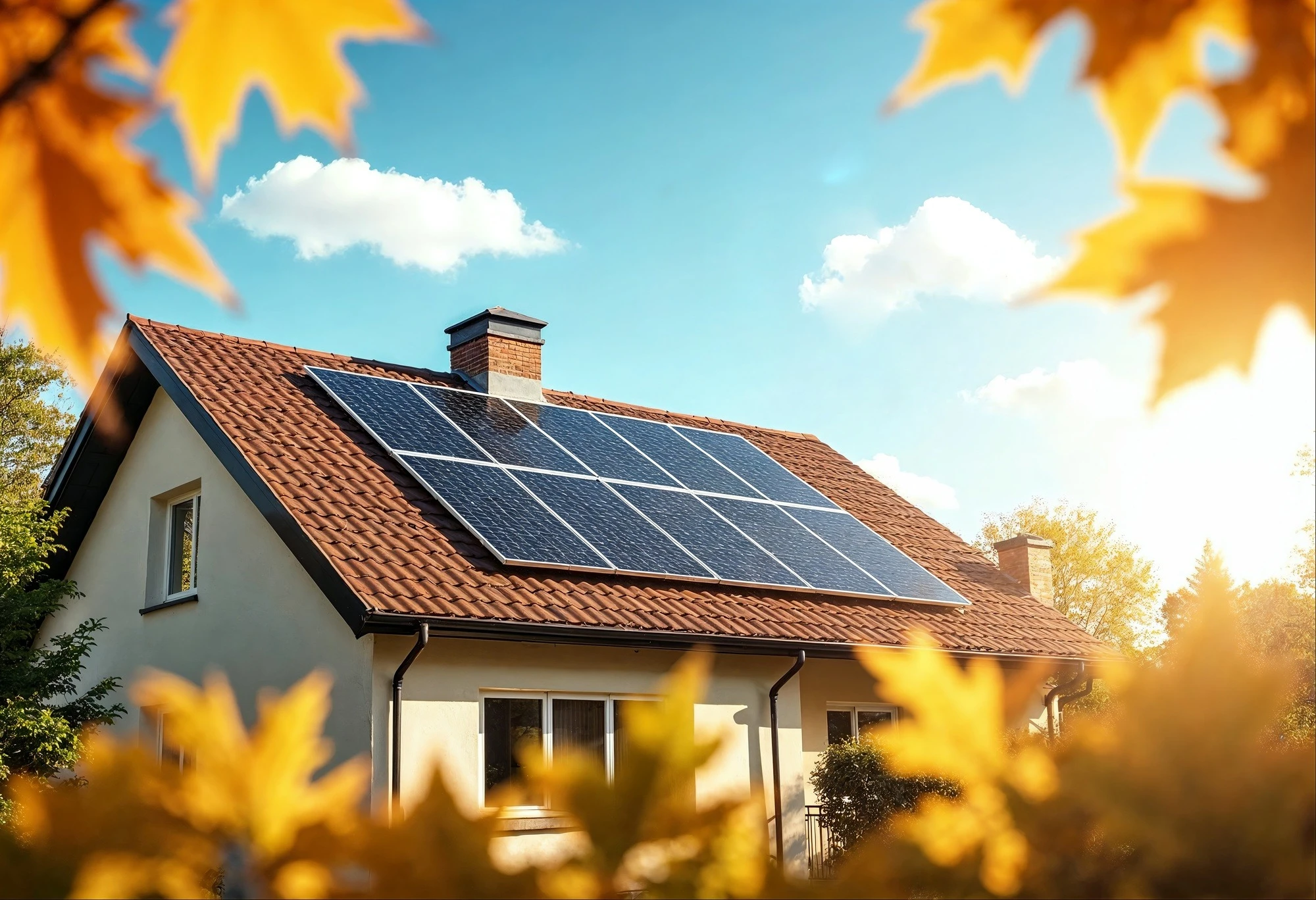
In general, a solar power for homes system works through an integrated setup that operates automatically. The process begins with solar panels installed on the roof, where they capture sunlight as the primary energy source.
When exposed to sunlight, the panels convert solar energy into electricity in the form of direct current (DC). This electricity is then sent to an inverter, a device that converts DC into alternating current (AC), allowing it to power various electronic appliances in the house.
In certain systems, the generated electricity can also be stored in batteries. This allows homeowners to use the stored energy at night or during power outages.
According to the International Energy Agency (IEA), advances in solar panel technology over the past few years have made solar power for homes increasingly efficient and adaptable for residential energy needs.
Benefits of Using Solar Power for Homes
Using solar power for homes offers several advantages that are relevant both for current energy needs and long-term household planning.
- Reducing Dependence on Conventional Electricity
By adopting solar power for homes, part of a household’s electricity demand can be generated independently through solar energy. This provides an additional energy source alongside the main electricity grid.
- Potential Long-Term Cost Savings
After the initial installation, the operational costs of the system are relatively low. In practice, using solar electricity for homes can reduce household electricity consumption by around 30%, depending on system capacity, energy usage patterns, and installation conditions.
- More Environmentally Friendly
Solar energy does not produce emissions during use. According to Indonesia’s Ministry of Energy and Mineral Resources, the adoption of renewable energy sources such as solar power for homes plays an important role in reducing the impacts of climate change.
- Making Use of Unused Roof Space
Installing a solar power for homes system allows homeowners to utilize available roof space more effectively as an additional energy source for household electricity needs.
Things to Consider Before Installing Solar Panels at Home
Before deciding to install solar panels at home, several important factors should be considered to ensure that a solar power for homes system can operate efficiently.
- Roof Condition and Orientation
The roof should receive sufficient sunlight and should not be blocked by shadows from nearby buildings or trees. The direction and slope of the roof can significantly affect how much energy the system can generate.
- Household Electricity Needs
Understanding daily electricity consumption helps determine the appropriate system capacity. This ensures that solar electricity for homes can be utilized efficiently and effectively.
- Estimated System Capacity
The solar panel capacity should be adjusted based on electricity needs and the available roof area. Proper system sizing ensures optimal performance without unnecessary oversizing.
- Maintenance and Panel Lifespan
Solar panels generally have a lifespan of around 20-25 years. Maintenance is relatively simple, but periodic inspections are still recommended to keep the system performing optimally.
As an alternative energy solution, solar power for homes is becoming increasingly relevant in addressing the growing electricity needs of households. With an efficient working system and long-term benefits, adopting solar power for homes can be a strategic step toward managing energy more wisely.
Maximizing the benefits of solar power for homes starts with thoughtful planning and the right expertise. Understanding electricity needs, evaluating building conditions, and designing the right system all play an important role in achieving optimal results.
With guidance from the experienced team at ATW Solar, homeowners can move forward with confidence and ensure their solar system is installed properly and ready to support long-term energy efficiency.