

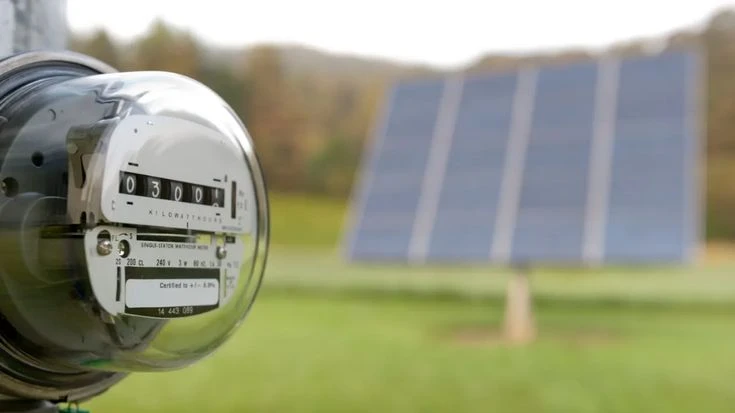
The use of solar panels is increasingly becoming an option for homes and commercial buildings looking to utilize clean energy while reducing their reliance on electricity from the grid. One important concept to understand in an on-grid solar PV system is net metering. In general, net metering allows unused electricity generated by solar panels to interact with the electricity grid. For solar panel users, net metering is important because it relates to the utilization of excess energy and the potential for electricity bill savings. However, the implementation of net metering in Indonesia needs to be understood based on current regulations, as the electricity export-import mechanism has undergone changes.
What Is Net Metering?
Net metering is a mechanism for calculating electricity between the electricity generated by a solar panel system and the electricity consumed or drawn from the grid. Under the concept of a solar panel net metering system, solar panels generate electricity to meet a building’s energy needs first.
If electricity production exceeds demand at a given time, the excess energy may be exported to the electricity grid. Conversely, when solar panel production is insufficient, such as at night, users can draw electricity from the grid again. Under the concept of net metering, electricity usage is calculated based on the relationship between the energy exported to and imported from the grid.
The main components of solar panel net metering generally include solar modules, an inverter, protection systems, an electricity meter, and the electricity grid. The inverter functions to convert DC electricity generated by the solar panels into AC electricity that can be used by electrical equipment.
How Does a Solar Panel Net Metering System Work?
The way a solar panel net metering system works can be explained simply. During the day, solar panels generate electricity, and the energy is first used to meet the electricity demand at the site. If solar power production is greater than consumption, excess energy is generated.
Under the concept of net metering, this excess energy can be exported to the electricity grid and recorded by the metering system. When solar power production decreases, users can then draw energy from the grid to meet their remaining electricity needs.
The system works by having solar panels generate electricity and send it to an inverter, where DC electricity is converted into AC electricity so it can be used by electrical equipment in the building. The generated energy is prioritized for meeting the building’s electricity needs. If electricity production exceeds demand, the excess energy may be exported to the grid in accordance with applicable mechanisms and regulations.
At night or when electricity production from solar panels is insufficient to meet the building’s needs, electricity will be supplied by the grid to cover the energy demand that cannot be met by the solar PV system.
In this way, solar panel net metering helps create a two-way relationship between the solar PV system and the electricity grid in an on-grid system.Dengan demikian, solar panel net metering membantu menciptakan hubungan dua arah antara sistem PLTS dan jaringan listrik pada sistem on-grid.
Benefits of Using Net Metering
- Optimizing the use of solar-generated electricity
Net metering helps maximize the use of energy generated by solar panels. When electricity production exceeds the building’s demand, the excess energy can be managed through the grid in accordance with the applicable mechanism. - Reducing dependence on conventional electricity
Through a solar panel net metering system, electricity demand can be prioritized to be met by energy generated from solar panels. The more electricity needs that can be met independently, the lower the dependence on conventional electricity supplied by the grid. - Improving solar PV investment efficiency
The implementation of net metering can help improve the efficiency of a solar PV investment by optimizing the use of generated energy. To maximize the benefits of solar panel net metering, system capacity and electricity consumption patterns need to be properly designed. - Supporting the use of clean energy
A solar panel net metering system also supports the use of solar energy as a cleaner energy source. By increasing the use of electricity generated by solar panels, users can help reduce dependence on conventional energy sources and support emission reduction efforts.
Things to Consider Before Using Net Metering
- Choosing the right solar PV system
Net metering is generally associated with on-grid solar PV systems connected to the electricity grid. Therefore, users need to ensure that the selected type of solar PV system matches their energy needs and usage objectives. Unlike off-grid systems that use batteries to store energy, on-grid systems use the electricity grid as part of their operation. - System capacity
Solar panel capacity needs to be adjusted according to the building’s electricity consumption patterns and energy requirements. An oversized system may generate excess energy that cannot be utilized optimally, especially if a net metering mechanism or energy export to the grid is unavailable. Therefore, capacity planning is an important factor in solar PV system design. - Applicable regulations
Regulations are an important factor to consider before implementing a system related to net metering. Provisions concerning rooftop solar PV systems, electricity export-import mechanisms, installation capacity, and approval processes may change in line with applicable policies. In Indonesia, Minister of Energy and Mineral Resources Regulation No. 2 of 2024 changed the previous provisions by eliminating the electricity export-import mechanism from the billing calculation for rooftop solar PV customers and introducing a quota system based on available grid capacity.
By considering these three factors, users can design a solar PV system that better suits their needs. Consulting with an experienced EPC provider such as ATW Solar can also help determine the right system capacity, design, and solar PV solution.
Is Net Metering Still Relevant in Indonesia?
Net metering remains relevant as a concept to understand, but its implementation in Indonesia has changed alongside regulatory developments. Under Minister of Energy and Mineral Resources Regulation No. 2 of 2024, the electricity export-import mechanism for rooftop solar PV systems is no longer included in electricity bill calculations for new customers.
This change means that solar PV users need to pay closer attention to system capacity and electricity consumption patterns to ensure that solar energy is utilized optimally. As an alternative, users can adopt a self-consumption approach by matching solar PV capacity with their daytime electricity demand.
With proper system design, solar panels can still provide significant benefits even though the net metering mechanism is no longer available as it was previously. To help design a system that matches specific needs and electricity consumption patterns, you can consult ATW Solar, an experienced solar PV EPC solution provider specializing in the planning and installation of solar panel systems.
Net metering is an important concept in on-grid solar PV systems because it explains the relationship between solar electricity generation, energy consumption, and the electricity grid. Understanding net metering, solar panel net metering system, and solar panel net metering helps users better understand how solar energy can be utilized more effectively.
In Indonesia, regulatory changes mean that the net metering mechanism needs to be understood in accordance with current regulations. Therefore, understanding both regulations and system design is important for maximizing the value of a solar panel investment. Consulting an experienced solar PV solution provider can help determine the system that best suits specific needs.
FAQ
Can all solar panel systems use net metering?
No. Net metering is generally associated with on-grid solar PV systems connected to the electricity grid. Its implementation also depends on applicable regulations.
Does net metering require a special electricity meter?
Under a net metering mechanism, a dedicated metering system is required to record the flow of electricity between the solar PV system and the grid.
What is the difference between net metering and a feed-in tariff (FiT)?
Net metering focuses on calculating or crediting energy based on electricity consumption and production, while a FiT is a scheme for purchasing electricity at a specified tariff.
How should I choose a solar PV system if net metering is not available?
Users can optimize direct electricity consumption by matching solar PV system capacity with their daytime electricity consumption patterns.
Is net metering suitable for homes and commercial buildings?
In principle, net metering can be used for both homes and commercial buildings with an appropriate system. However, its implementation remains subject to applicable regulations and grid requirements.