

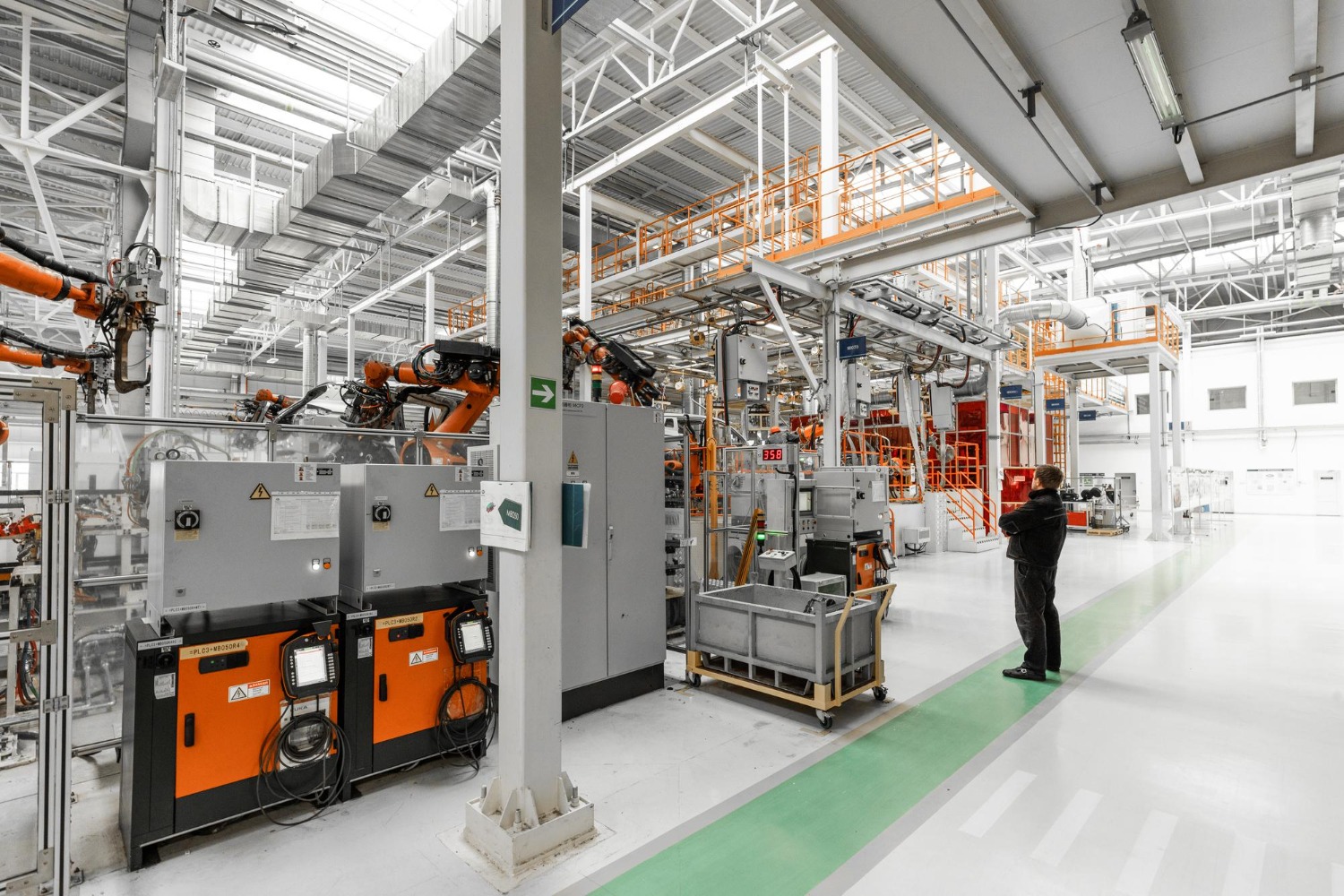
In manufacturing plants and warehouses that run almost nonstop, electricity is not just a supporting facility. It is the backbone of the entire operation. When a disruption occurs in an industrial electrical installation, whether due to a cable fault or system failure, production can stop immediately. The losses that follow are not minor. In large scale operations, even a few minutes of downtime can lead to substantial financial impact.
That is why a well planned industrial electrical installation must prioritize stability, safety, and efficiency from the very beginning.
Understanding Industrial Electrical Installation
Industrial electrical installation is a power distribution system specifically designed to serve high capacity electrical demands. Unlike residential systems that generally use single phase power, industrial electrical installation typically operates on a three phase system.
A three phase system provides more balanced and consistent power delivery. This makes it ideal for running heavy equipment such as industrial motors, CNC machines controlled by computer systems, conveyor systems for automated material movement, and industrial cooling units. With proper design, the system can handle continuous loads without frequent interruptions or unexpected trips.
In Indonesia, the design of industrial electrical installation refers to PUIL 2011 SNI 0225:2011 issued by the National Standardization Agency of Indonesia. The regulation emphasizes safety and reliability, including proper cable selection based on current carrying capacity and installation conditions, as well as the use of correctly rated protective devices to prevent overloads and short circuits.
Design Characteristics of Industrial Electrical Installation Concepts
Industrial electrical installation concepts have distinct characteristics that set them apart from standard installations.
- Structured and Visible Distribution Paths
Cables are commonly installed on exposed cable trays or inside conduit systems that remain accessible. This structured arrangement allows technicians to identify distribution lines quickly and trace issues efficiently when troubleshooting is required.
- Ease of Maintenance
The system layout is designed with maintenance in mind. Each component can be accessed without dismantling production structures or interrupting operations more than necessary. This reduces downtime during inspections or repairs.
- Layered Protection
Protective devices such as Miniature Circuit Breakers MCB and Molded Case Circuit Breakers MCCB are installed to automatically disconnect the system when abnormal conditions are detected. This layered protection ensures that faults are isolated before they escalate.
With this approach, technical problems can be handled faster because the entire distribution system is clearly organized and easy to monitor.
Core Components of Industrial Electrical Installation
A reliable industrial electrical installation depends on the coordination of several key components.
- Main and Secondary Distribution Panels MDP and SDP
The Main Distribution Panel receives power from the primary source. The Secondary Distribution Panel then distributes that power to specific areas or groups of equipment. Together, they function as the central control and load management system.
- Transformer
The transformer adjusts voltage from the main utility supply, such as PLN, to match the operational requirements of industrial machinery.
- Grounding System
The grounding system provides a direct path for fault currents to flow safely into the earth. This protects workers and prevents damage to sensitive electronic devices from voltage surges.
- Energy Monitoring System
Energy monitoring allows real time tracking of electricity consumption. With accurate data, management can identify inefficiencies, control energy usage, and make informed operational decisions.
In addition, selecting cables and connectors with low resistance plays an important role in reducing power losses during distribution. Small technical decisions like these directly affect long term efficiency.
Integration with Solar Power Plant Systems (PLTS)
As awareness of sustainability and energy cost efficiency continues to grow, integrating rooftop Solar Power Plant systems (PLTS) into industrial electrical installation has become an increasingly practical solution. Solar energy not only reduces dependence on the main power grid, but also helps lower operational expenses, especially during peak load hours.
According to the International Energy Agency in its Renewables 2023 Analysis, the industrial sector is currently one of the fastest adopters of solar energy. This shift is driven by the need to reduce carbon emissions while maintaining long term stability in energy costs.
ATW Solar supports industrial, commercial, and residential sectors with tailored solar power system solutions. Every industrial electrical installation comes with different technical requirements and operational patterns. For that reason, PLTS integration is carefully customized to connect smoothly with the existing electrical system, ensuring reliable performance without interrupting daily operations.
Developing an efficient industrial electrical installation is not just about connecting cables and equipment. It is about building an energy system that runs safely, consistently, and with clear planning behind it. With proper standards and thoughtful design, industrial operations can perform at their best.
Is your industry ready to move toward greater energy efficiency and environmental responsibility? Integrate your industrial electrical installation with solar panel solutions from ATW Solar and build a more efficient and stable energy system for the long term!