

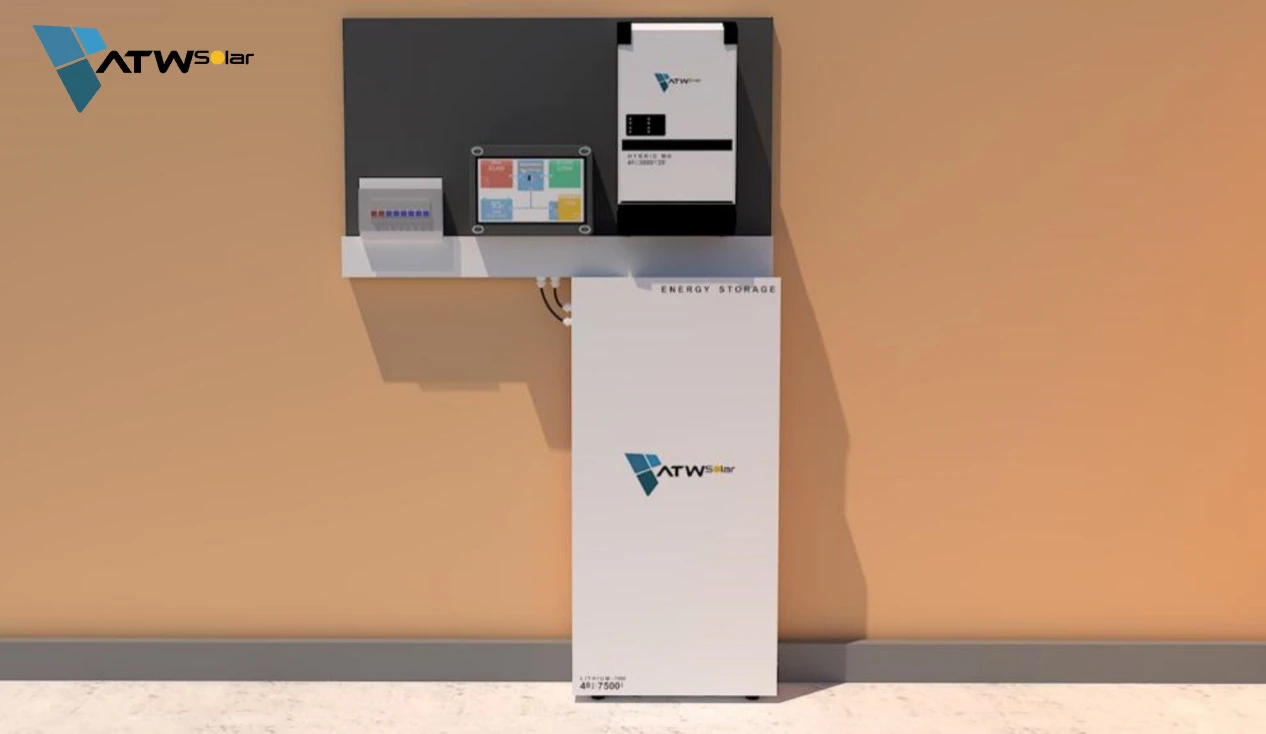
Solar panels have become a popular choice for generating clean, cost-effective energy. By harnessing Indonesia’s abundant sunlight, solar power systems allow households and businesses to generate their own electricity and become more energy independent.
In general, two types of solar panel systems are widely used:
- On-grid systems: These systems are directly connected to the PLN electricity grid. The electricity generated by solar panels is used to meet daily energy needs.
- Hybrid systems: These systems combine solar panels with batteries for energy storage. When solar panels generate excess electricity, the surplus energy is stored in batteries for use at night or during PLN power outages.
Learn more about the differences between these two systems here.
What Is a Hybrid System, and Why Is It Becoming More Popular?
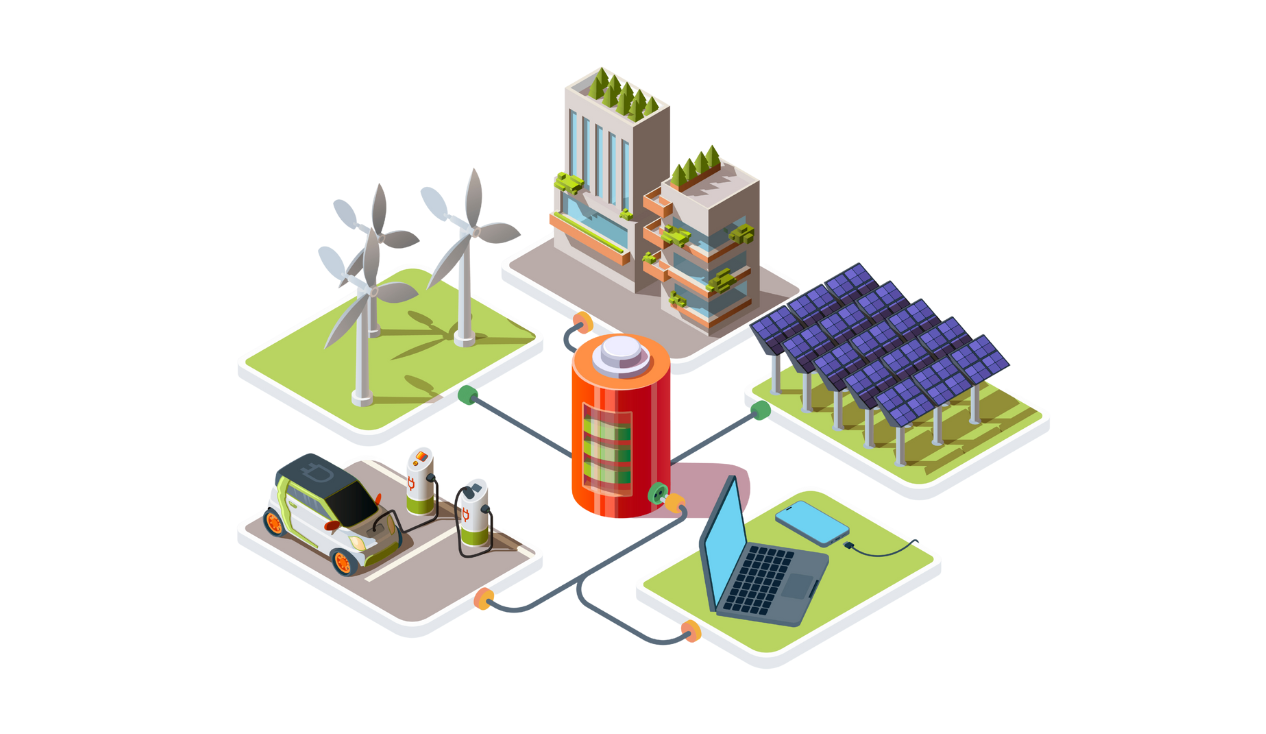
A hybrid solar setup integrates photovoltaic panels with grid electricity and battery storage to provide a more flexible energy solution. It is designed to provide a stable and reliable power supply, even during power outages or periods of reduced solar energy production.
When sunlight is available, solar panels generate electricity to meet daily energy needs. Any excess electricity that is not used immediately is stored in batteries. At night or when solar production is insufficient, the stored energy is used to supply electricity. If the batteries run out of charge, the system automatically switches to the PLN grid. This operating principle helps provide greater energy resilience without relying entirely on a single power source.
Trends in Solar Battery Adoption
In recent years, more households and businesses have started incorporating batteries into their solar panel systems. According to Fortune Business Insights, the global solar energy storage battery market is projected to nearly quadruple between 2024 and 2032, indicating growing recognition of the benefits these systems offer. The Asia-Pacific region, including Indonesia, is also a major market for solar battery demand.
One of the main drivers behind this trend is the ability to store excess solar energy generated during the day for use at night or during PLN power outages. Owners of hybrid solar panel systems can also choose which electrical appliances receive backup power during an outage. This means the primary benefit is not just generating electricity independently, but also controlling how and where that energy is used, providing greater flexibility and potential cost savings.
Some of the key benefits of incorporating batteries into solar panel systems include:
- Energy Efficiency: Batteries allow surplus solar energy to be stored for use at night or during periods of higher energy demand, reducing reliance on the electricity grid.
- Cost Savings: By storing energy when electricity rates are lower and using it when rates are higher, users can potentially reduce their electricity bills significantly.
- Energy Resilience: Battery systems provide backup power during outages, helping maintain operational continuity for households and businesses.
This trend shows that integrating batteries into solar panel systems is not only a smart choice for improving energy efficiency but also a strategic step toward greater energy independence and environmental sustainability.
As hybrid systems become more widely adopted and their benefits become increasingly recognized, batteries are becoming an integral component of modern solar power systems. But what role do batteries actually play in these systems, and how can you choose the right battery to achieve optimal performance?
Solar Batteries for Hybrid Systems
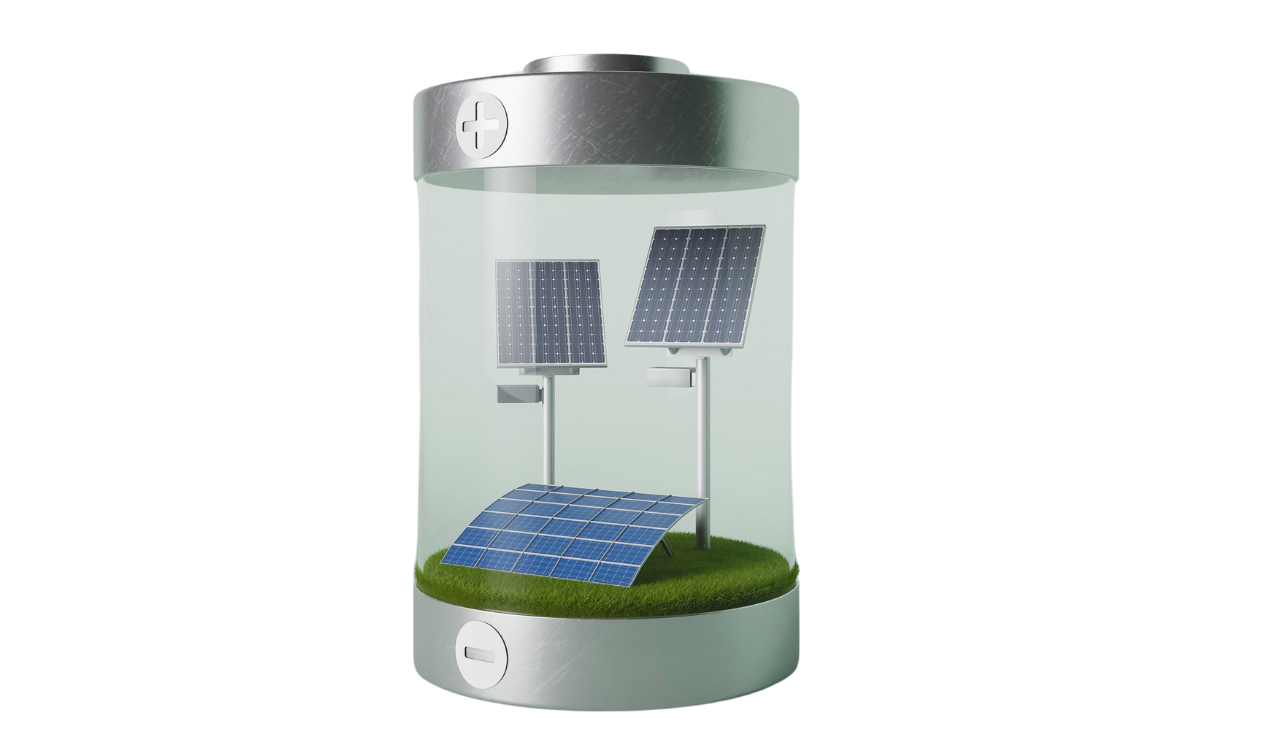
Batteries are a key component of hybrid systems. When sunlight is abundant and solar panels generate more electricity than a home or building requires, the batteries store the excess energy. This stored energy can then be used during periods of high electricity demand, when solar panels are not generating power, or during PLN power outages. In other words, batteries act as an energy buffer, helping ensure that electricity is available when needed, regardless of weather conditions or the state of the PLN grid.
Unlike systems powered by diesel generators (DGs), which rely on fossil fuels and produce significant emissions, battery-based hybrid systems offer a cleaner and more efficient alternative. In addition to avoiding the noise and exhaust emissions associated with diesel generators, hybrid systems can deliver greater long-term cost savings because they do not require daily fuel purchases or engine maintenance.
The Best Types of Batteries for Solar Panels
Not all batteries are suitable for solar power systems. Several types are commonly used, but two of the most popular options today are:
- Lithium-Ion Batteries
Lithium-ion batteries are widely used in modern solar power systems because of their efficiency and durability. Key advantages include:- High Efficiency: These batteries can achieve round-trip efficiency of up to 95%, making them suitable for systems with substantial and consistent energy demands.
- Long Lifespan: They offer a high cycle life of more than 6,000 cycles and can last over 10 years while maintaining stable performance, depending on operating conditions and usage.
- Compact and Practical Design: They are smaller and lighter, generally require no special ventilation under normal operating conditions, and need minimal maintenance.
- Reliable Performance: They can tolerate temperature variations within their specified operating range and may support a depth of discharge (DoD) of up to 90%.
- Gel / VRLA (Valve-Regulated Lead-Acid) Batteries
These batteries are still used in smaller systems and projects with moderate power requirements. Their characteristics include:- Lower Upfront Investment: Suitable for users who are new to solar power or have a limited budget.
- Established and Proven Technology: They have been used in a wide range of applications for many years and can provide reliable performance for light to moderate loads.
- Performance Suited to Specific Needs: They typically offer approximately 80–85% efficiency, with a recommended depth of discharge of around 50% to help extend battery life.
- Larger Capacity, but More Space Required: They are generally larger than lithium-ion batteries, making them suitable for locations with sufficient storage space.
Beyond battery chemistry, several other factors should be considered when determining the most suitable battery type and brand for a solar power system.
How to Choose the Right Solar Battery
Consider the following criteria before selecting a battery type and brand for your solar panel system:
- Capacity (kWh)
Determines how much energy a battery can store. A higher capacity allows more energy to be reserved for later use. - Efficiency
Measures how much of the stored energy can be recovered and used. Lithium-ion batteries generally offer higher efficiency than many other battery types. - Cycle Life
Indicates how many times a battery can be charged and discharged before its performance significantly deteriorates. A longer cycle life generally means a longer service life. - Warranty and After-Sales Support
Make sure the battery comes with an official warranty and access to adequate technical support.
Choosing the right battery directly affects comfort, energy efficiency, and long-term electricity cost savings. That is why it is important to consult a solar panel contractor with a comprehensive understanding of hybrid system specifications.
Not All Hybrid Systems Run Efficiently: Here Is Why
Although hybrid systems with battery backup offer numerous benefits, they are not without challenges. In practice, some users encounter technical issues that can actually reduce system efficiency. Common problems include:
- Oversizing
Selecting a battery that is too large for the building’s electrical load leads to a wasteful and sub-optimal investment, as the stored energy goes largely unused. - System Integration Errors
Integration among solar panels, inverters, batteries, and the grid must be executed precisely. Configuration errors (such as incorrect current, voltage, or load capacity settings) can lead to power loss or system overheating.
Technical Solutions: Accurate Calculations and Design
To avoid potential pitfalls, several key steps must be taken:
- Conducting a comprehensive power demand audit (load profiling)
- Selecting the right battery type and capacity based on consumption needs and backup duration
- Integrating the system in accordance with electrical standards
- Performing regular system monitoring and maintenance
All of these solutions require deep technical knowledge and extensive experience in hybrid system design. Consequently, partnering with an experienced contractor is essential—a topic covered in the next section.
Professional Solutions for Maximum Efficiency

Installing a hybrid system involves more than simply purchasing solar panels and batteries. It is a combination of technologies requiring precise design, installation, and setup. This is why hiring an experienced solar contractor is crucial.
Why Work with a Contractor?
Without proper design, a system risks being cost-ineffective or failing to function when needed. According to guidelines from the Clean Energy Council Australia, a common mistake in hybrid installations is a lack of coordination between system hardware and software. Therefore, the design and installation process cannot be approached casually. It requires a broad range of technical expertise, from electrical engineering and system programming to selecting compatible components.
Below is the scope of technical tasks performed by a contractor, eliminating the hassle of determining the right hybrid system for your residential or commercial property:
- Site Survey and Energy Audit: Assessing roof conditions, electricity consumption patterns, and solar potential at your site.
- Fit-for-Purpose Hybrid System Design: Determining optimal panel, inverter, and battery capacities, ensuring the system is neither oversized nor underpowered.
- Quality Component Procurement: Sourcing Tier 1 components and ensuring full device compatibility and integration.
- Professional and Safe Installation: Carrying out installation via certified technicians in compliance with occupational health and safety standards and national electrical regulations.
- System Testing & Commissioning: Verifying that the system powers up correctly, transitions seamlessly between energy sources, and is ready for daily operation.
- Digital Monitoring & App Integration: Setting up app-based monitoring so users can view real-time consumption data and battery levels.
- Training and After-Sales Support: Providing basic user training along with technical support services whenever needed.
By choosing the right contractor, users receive an efficient, reliable system alongside the peace of mind that comes from avoiding complex technical management.
Trust Your Hybrid System to ATW Solar
As an Engineering, Procurement, and Construction (EPC) firm with a proven track record across residential and industrial solar projects, ATW Solar provides end-to-end hybrid system services. We offer a one-stop solution encompassing consultation, energy demand audits, flexible system design, Tier 1 component supply, certified technician installation, real-time monitoring, and after-sales maintenance.
ATW employs a data-driven approach grounded in field experience. Every solution is tailored to specific energy consumption patterns and site conditions. As a result, clients gain more than just a solar panel system, they secure added value through cost efficiency, power resilience, and long-term emission reductions.
A hybrid system is not merely a technical solution; it is a strategic step toward a more self-sufficient and sustainable energy future. Contact ATW Solar today to discover the ideal hybrid solar system solution for your home or business.