

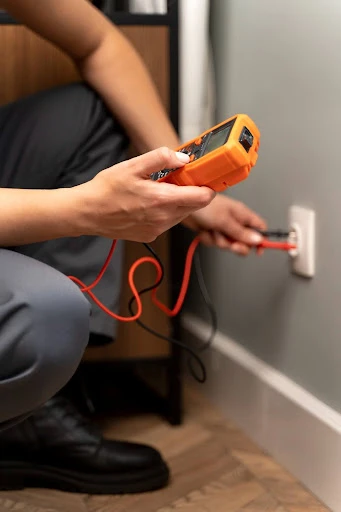
Ever had your power suddenly trip because you were running too many things at once? It’s a common headache, especially when you’re using heavy-duty appliances like the AC, rice cooker, and water pump all at the same time. Frequently, the disruption is not due to a utility outage, but because the household’s electrical capacity is insufficient to support the overall demand.
Since electricity powers almost every aspect of daily life, understanding the available home electrical capacity options is important before purchasing new appliances or requesting a capacity upgrade from PLN. Choosing the right capacity can help ensure a more reliable electricity supply while preventing unnecessary disruptions at home.
According to PLN, electrical capacity determines the maximum amount of electricity that can be used within a customer’s installation at any given time. The larger the capacity, the more appliances can operate simultaneously without causing the system to trip.
What Is Home Electrical Capacity?
When checking your electricity service, you have probably come across numbers such as 900 VA, 1,300 VA, or 2,200 VA. These figures refer to your home electrical capacity, which is measured in Volt-Amperes (VA).
In simple terms, electrical capacity is just the amount of power your house can handle. A larger capacity means you can run your AC, TV, and kitchen appliances all at once without the power tripping.
PLN explains that every household has a maximum electrical load limit. When electricity consumption exceeds that limit, the Miniature Circuit Breaker (MCB) automatically disconnects the power supply to prevent overloads and protect the electrical installation.
Available Home Electrical Capacity Options
A question that comes up all the time for homeowners is, ‘What are my options when it comes to power capacity?’
To accommodate different household needs, PLN offers several electrical capacity options, ranging from basic household usage to homes with higher energy demands.
- 450 VA
A 450 VA connection is generally suitable for basic electricity needs, such as lighting, television, and a few low-power appliances. Today, this capacity is typically found in households with relatively low electricity consumption.
- 900 VA
A 900 VA capacity is often sufficient for smaller homes with modest energy requirements. In addition to lighting and television, it can usually support appliances such as a fan, rice cooker, and a small refrigerator.
- 1.300 VA
Many households nowadays opt for 1,300 VA because it hits the sweet spot for practicality. This capacity easily covers the basics, comfortably powering a refrigerator, TV, washing machine, and a single air conditioner for daily use.
- 2.200 VA
Families with higher electricity usage often choose 2,200 VA. This capacity allows several appliances to run simultaneously, including air conditioners, water pumps, refrigerators, and various kitchen appliances.
- 3.500 VA
With larger homes comes a higher demand for electricity. Opting for a 3,500 VA setup grants homeowners peace of mind, allowing them to power several domestic appliances together without dealing with unexpected power trips.
- 4.400 VA
For homes with multiple ACs, water heaters, and high-wattage appliances, a 4,400 VA service is usually necessary. It offers the ample capacity required to effortlessly support high-consumption households.
- 5.500 VA and Above
Higher-capacity connections are commonly used in large homes, luxury residences, or home-based businesses. With more available power, users can operate a wider range of appliances simultaneously and more comfortably.
When it comes to home electrical capacity, there’s no one-size-fits-all. Choosing the highest capacity isn’t always the best approach; a more practical solution is to tailor your system to your household’s genuine energy habits.
Understanding the Differences Between Electrical Capacity Levels
Every household has different energy requirements, which is why PLN offers several capacity options. Understanding the differences between these categories can help you determine which home electrical capacity best suits your needs.
- 450 VA to 900 VA: Everyday Basic Capacity
Ideal for households with low overall electricity consumption. To keep power running smoothly, it is recommended to balance the use of appliances rather than operating them all at once.
- 1.300 VA to 2.200 VA: Typical Residential Capacity
This range is among the most commonly used because it can comfortably support the needs of a modern household. It provides enough capacity to operate essential appliances while allowing for greater flexibility in everyday activities.
- 3.500 VA and Above: Higher Energy Demand
If your home is always buzzing with activity, a larger power capacity is exactly what you need. It gives you the freedom to run multiple ACs, heavy appliances, or even a home business all at the same time, without ever having to worry about the power tripping.
How to Choose the Right Home Electrical Capacity
Choosing the right home electrical capacity is important for ensuring comfort and efficiency in daily life. A capacity that is too low may result in frequent power trips, while a capacity that is too high may not be the most cost-effective option.
Here are a few factors to consider when selecting the appropriate capacity.
- Figure Out Your Home’s Total Electricity Usage
The first step is identifying the appliances used in your home and understanding how much electricity each one consumes. This detail is typically provided on the product’s label or within its specifications.
For example:
- Air conditioner: 900 Watts
- Refrigerator: 150 Watts
- Washing machine: 400 Watts
- Television: 100 Watts
- Lighting: 200 Watts
If all of these appliances are used simultaneously, the total power requirement would be approximately 1,750 Watts.
This simple calculation can provide a useful starting point when determining the most suitable electrical capacity for your household.
- Consider Simultaneous Usage
In addition to calculating total power consumption, consider which appliances are commonly used at the same time. An air conditioner, refrigerator, television, and lighting system operating simultaneously will require significantly more power than if they were used separately.
Understanding your daily usage patterns can help you choose a capacity that better reflects your actual needs.
- Leave Room for Future Growth
When selecting an electrical capacity, it is important not to focus solely on your current requirements. Leaving some additional capacity available can accommodate future appliance purchases while reducing the likelihood of power interruptions caused by excessive electrical loads.
What Happens When Electrical Capacity Is Not Suitable?
Both insufficient and excessive electrical capacity can create challenges that could otherwise be avoided with proper planning.
- Frequent Power Trips
When total electricity consumption exceeds the available home electrical capacity, the MCB automatically disconnects the power supply to prevent overloads.
This situation commonly occurs when a household’s electricity needs have increased over time, but the installed capacity remains unchanged.
- Less Efficient Electricity Costs
On the other hand, selecting a capacity that is significantly larger than necessary may not always be the most economical choice.
If the available capacity is rarely utilized, the overall electricity-related costs may be less efficient compared to choosing a capacity that more closely matches actual household usage.
- Increased Risk of Electrical Issues
Poorly managed electrical loads can affect the performance of a home’s electrical system. Over time, this may increase the likelihood of issues affecting both electrical appliances and the installation itself.
A Smarter Alternative: Combine Your Electrical Capacity with Solar Panels
If your electricity needs continue to grow, increasing your electrical capacity is not the only option available. Today, more homeowners are turning to solar panels as a way to support their growing energy demands.
Solar panels convert sunlight into electricity that can be used to power everyday household activities. By utilizing solar energy, homeowners can reduce their reliance on grid electricity and lower their monthly electricity expenses.
Another advantage is flexibility. Rooftop solar systems can be designed to support a wide range of household energy requirements. They are compatible with residential electrical capacities starting from 1,300 VA and extending to 5,500 VA or higher.
As energy costs continue to rise, combining the right home electrical capacity with a solar energy system can be an effective way to improve energy efficiency and reduce long-term electricity expenses.
ATW Solar: Helping Homeowners Optimize Their Energy Needs
Choosing the right home electrical capacity becomes even more effective when paired with thoughtful energy planning. This is where ATW Solar helps homeowners achieve a more efficient and sustainable energy solution.
ATW Solar provides services that cover energy consumption analysis, solar system design, professional installation, and ongoing monitoring to ensure optimal system performance. With proper planning, each system can be tailored to match the unique energy requirements of a household.
Monitoring features also allow homeowners to track energy production and consumption over time. These insights provide a clearer picture of how solar energy contributes to reducing electricity usage and improving overall efficiency.
With experience across a wide range of residential and commercial projects, ATW Solar takes an integrated approach to helping customers achieve long-term energy savings while maintaining reliable system performance.
Find the Right Energy Solution for Your Home with ATW Solar
Understanding the available home electrical capacity options is an important first step toward creating a safer, more comfortable, and more efficient home. By choosing a capacity that aligns with your actual energy needs, you can reduce the risk of power interruptions while ensuring your electrical system supports your daily activities.
If you are looking to optimize electricity usage while lowering monthly energy costs, combining the right home electrical capacity with a solar power system may be a worthwhile solution to consider.
ATW Solar can help design a solar energy system tailored to your home’s unique energy consumption patterns and requirements. Through Halo ATW, homeowners can also consult directly with the ATW Solar team to receive recommendations that support their long-term energy goals.