

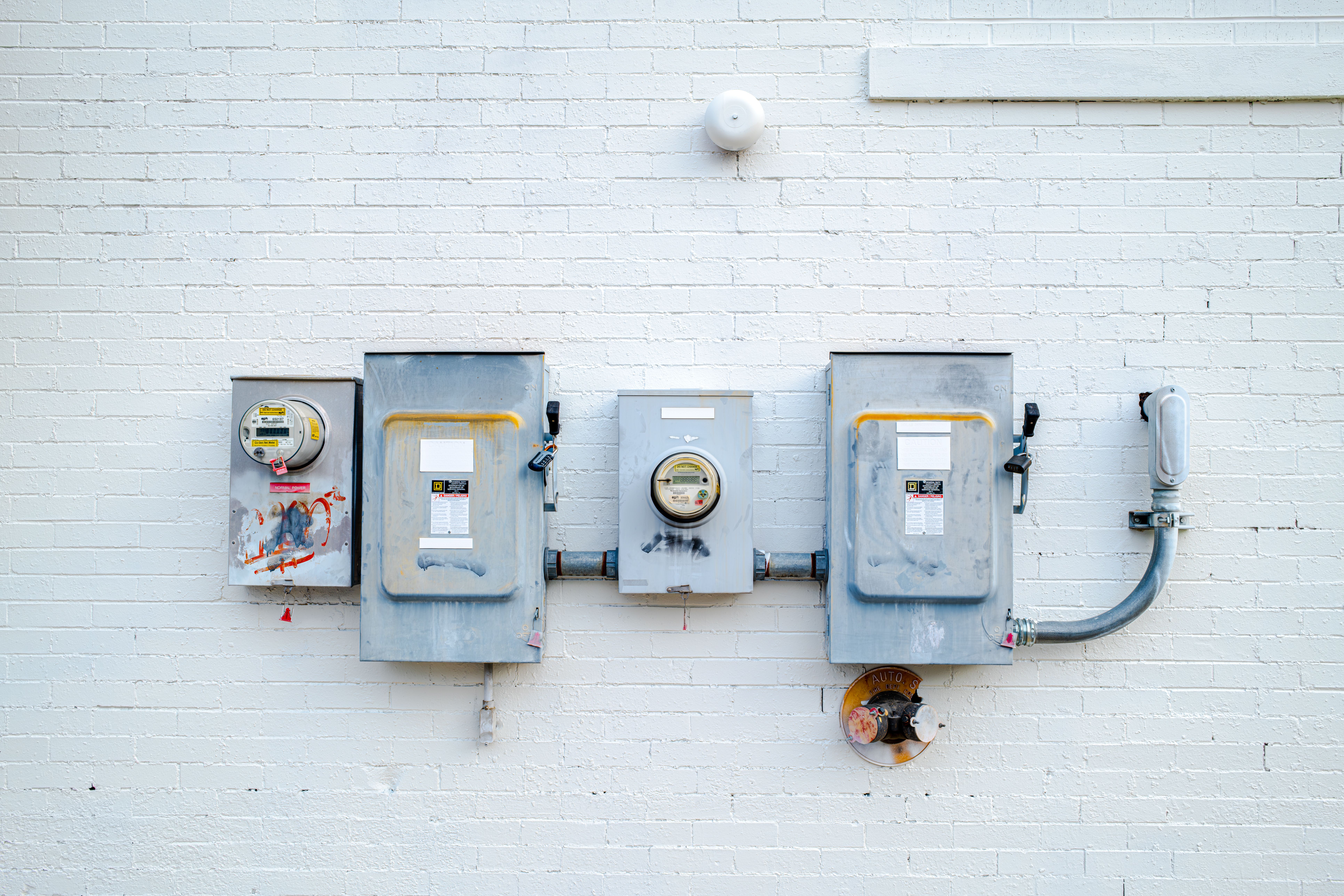
In any electrical installation, safety is just as important as performance. Whether in residential properties, industrial facilities, or renewable energy systems such as solar power plants, electrical power must be managed and protected through reliable safety mechanisms.
One of the most essential components in this protection system is the electrical circuit breaker.
Often considered the first line of defense against electrical faults, an electrical circuit breaker helps protect systems from issues such as short circuits, overloads, and load imbalances. Without proper circuit protection, electrical installations face a significantly higher risk of equipment damage, system failures, and even fire hazards.
What Is an Electrical Circuit Breaker?
An electrical circuit breaker is a device designed to control the flow of electricity within a system by safely disconnecting and reconnecting electrical power when necessary. Depending on the application and operating conditions, this process can occur automatically or be performed manually.
According to international standards established by the International Electrotechnical Commission (IEC), circuit breakers are classified as switching and protective devices. These components play a critical role in maintaining the safety, reliability, and stability of electrical systems.
In practice, an electrical circuit breaker protects electrical circuits from abnormal conditions such as overcurrent and short circuits. When a fault is detected, the device interrupts the electrical flow before it can damage equipment or compromise system safety.
By responding quickly to potential electrical hazards, an electrical circuit breaker helps ensure that power distribution remains safe, controlled, and aligned with the system’s designed operating capacity.
Why Are Electrical Circuit Breakers Important?
The importance of an electrical circuit breaker goes beyond technical performance. It is a fundamental component of any electrical safety system, helping to protect people, equipment, and infrastructure from potentially dangerous electrical faults.
- Preventing Short Circuits and Overcurrent
Electrical faults such as short circuits can generate extremely high current levels within a very short period of time. If the electrical flow is not interrupted immediately, the resulting surge can damage equipment, compromise the installation, and increase the risk of fire.
- Protecting Electrical Equipment
Sensitive equipment such as inverters, control panels, and household appliances can be affected by sudden current fluctuations. An electrical circuit breaker helps maintain system stability and provides an additional layer of protection for valuable electrical assets.
- Reducing Fire Risks
Uncontrolled overcurrent can cause cables and electrical components to overheat. According to electrical safety guidelines, overheating remains one of the leading causes of electrical fires in residential, commercial, and industrial environments. By disconnecting faulty circuits, an electrical circuit breaker helps reduce this risk and supports safer system operation.
Types of Electrical Circuit Breakers
To provide effective protection, different types of electrical circuit breakers are used depending on the system’s size, capacity, and operational requirements. Each type is designed for specific applications and offers varying levels of protection.
- Miniature Circuit Breaker (MCB)
The MCB is one of the most commonly used types of electrical circuit breaker in homes, offices, and small commercial installations. It automatically disconnects power when overloads or short circuits occur, helping to protect circuits from damage.
- Molded Case Circuit Breaker (MCCB)
MCCBs are designed for larger electrical systems such as commercial buildings and industrial facilities. Compared to MCBs, they offer a higher fault current interruption capacity and more flexible protection settings to accommodate larger electrical loads.
- DC and AC Isolators
Isolators are manually operated devices used to completely disconnect electrical circuits, particularly during maintenance activities. They are commonly used in solar photovoltaic (PV) systems to ensure that equipment can be serviced safely without the presence of live electrical current.
- Switch Disconnectors
A switch disconnector combines switching and isolation functions in a single device. It is widely used in electrical distribution systems and solar power installations to provide an additional layer of protection during switching operations and system isolation procedures.
How Does an Electrical Circuit Breaker Work?
An electrical circuit breaker operates by detecting abnormal conditions within an electrical system through two primary protection mechanisms: thermal protection and magnetic protection.
Thermal protection responds to overload conditions that develop over a period of time, while magnetic protection reacts almost instantly to severe faults such as short circuits.
Once an abnormal condition is detected, the electrical circuit breaker automatically interrupts the electrical flow to prevent damage to the system and connected equipment. After the fault has been identified and resolved, certain types of circuit breakers can be manually reset and returned to operation.
Through this process, circuit breakers help maintain system reliability while minimizing the risk of equipment failure and electrical hazards.
The Role of Electrical Circuit Breakers in Solar Power Systems
While circuit breakers are essential in all electrical installations, their role becomes even more critical in solar photovoltaic (PV) systems, where both direct current (DC) and alternating current (AC) must be managed safely.
- DC-Side Protection for Solar Panels
On the solar panel side, DC current must be properly controlled to prevent issues such as reverse currents, string overcurrent, and insulation faults. Protection devices are typically installed within string boxes or DC combiner boxes, providing an initial layer of protection before electricity is delivered to the inverter.
- DC Protection Before the Inverter
Before electricity enters the inverter, a DC isolator functions as an electrical circuit breaker, allowing the DC supply to be completely disconnected during system shutdowns or maintenance activities. This helps create a safer working environment for technicians and maintenance personnel.
- AC Output Protection
After electricity passes through the inverter, it is converted into AC power and distributed to electrical loads or the utility grid. At this stage, MCBs or MCCBs provide protection against overloads and short circuits within the AC distribution network.
- Maintenance Safety
Safe maintenance procedures are essential in solar PV systems. An electrical circuit breaker ensures that electrical circuits can be fully isolated when required, allowing technicians to perform inspections and maintenance work without exposure to live current.
Choosing the Right Electrical Circuit Breaker
Selecting the appropriate electrical circuit breaker is essential for ensuring both safety and system performance. Several technical considerations should be evaluated before making a selection.
- Match the Current Rating to the Load
The circuit breaker’s current rating should match the electrical load it is intended to protect. A breaker with an insufficient rating may trip frequently, while an oversized breaker may not respond effectively during fault conditions.
- Consider the System Type
The type of electrical system plays a significant role in breaker selection. In solar PV installations, for example, DC breakers must be specifically designed to handle the unique characteristics of direct current systems.
- Choose Certified Products
Products that comply with internationally recognized standards, such as IEC certification, provide greater assurance of quality, safety, and long-term reliability.
- Evaluate Material Quality
For outdoor applications such as solar power systems, the materials used in an electrical circuit breaker should be capable of withstanding heat, humidity, and challenging environmental conditions.
- Ensure Professional Installation
Even a high-quality electrical circuit breaker may not perform as intended if it is installed incorrectly. Proper installation according to technical standards is essential for achieving optimal protection and system reliability.
Building a Safe Solar Power System with Electrical Circuit Breakers
In solar photovoltaic systems, an electrical circuit breaker plays a vital role in the overall protection strategy. It helps ensure that electrical energy can be managed safely throughout the system.
Because solar PV systems operate with both DC electricity from solar panels and AC electricity from inverters, protection devices must be strategically installed throughout the system. This includes protection on the DC side, at the inverter connection point, and within the AC distribution network.
A properly designed protection system helps ensure that electrical energy flows safely through every stage of the installation, from power generation and conversion to final distribution.
At ATW Solar, safety is considered at every stage of system design and installation. Each solar PV system is developed with carefully selected electrical circuit breakers, layered protection strategies, and industry-standard installation practices.
This approach helps ensure that every system delivers efficient energy production while maintaining long-term safety, reliability, and operational stability.
An electrical circuit breaker is an essential component of any electrical installation, helping protect systems from overloads, short circuits, and other electrical faults. Its role becomes even more important in solar PV systems, where both DC and AC electrical currents must be managed safely and effectively.
To ensure safe and reliable operation, it is important to select the right protection devices and install them according to recognized technical standards.
At ATW Solar, every solar PV system is designed with safety, efficiency, and long-term reliability in mind, including the careful selection and implementation of electrical protection systems.
Whether you are planning a residential, commercial, or industrial solar PV project, ATW Solar is ready to help you build a safe, reliable, and standards-compliant solution that meets your energy needs.